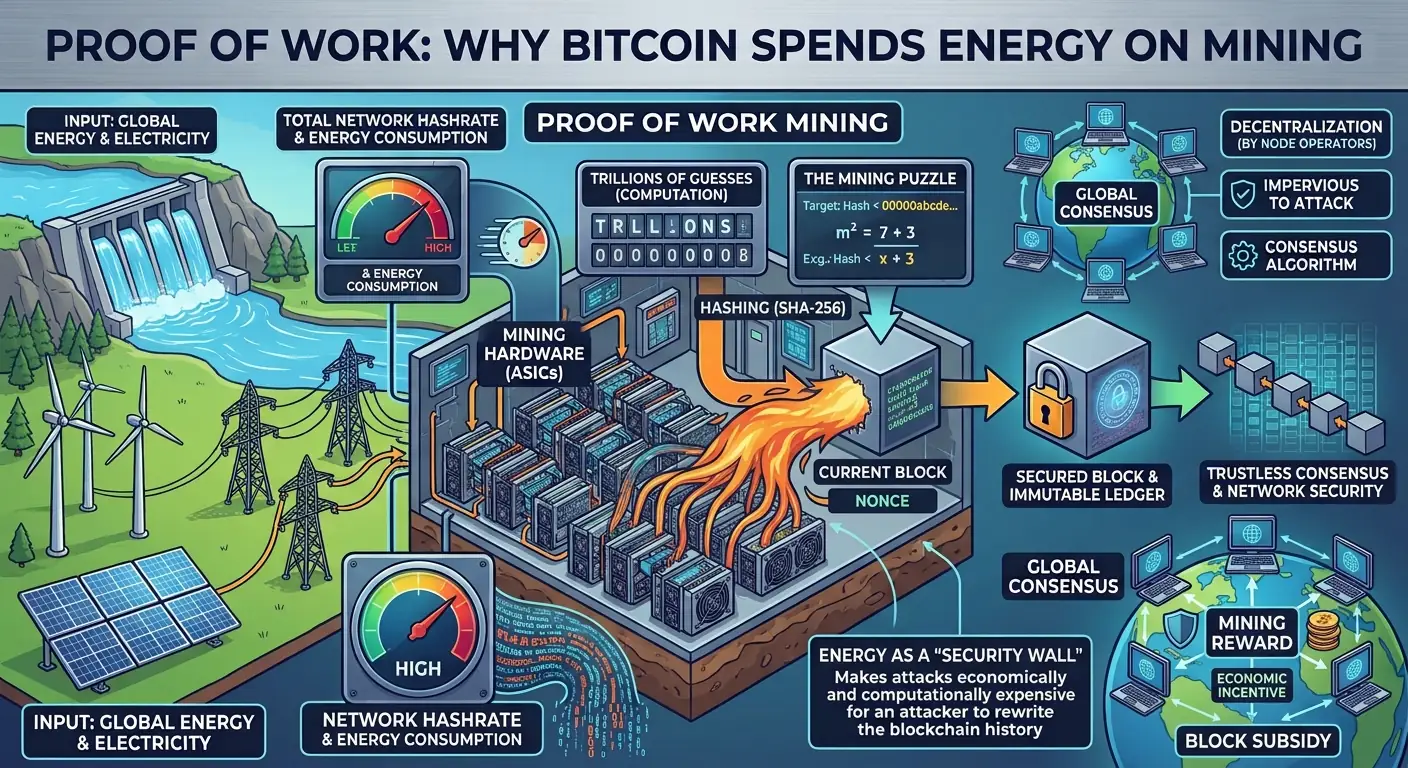
Every time someone sends Bitcoin, the network needs a way to agree that the transaction is valid and decide where it belongs in the blockchain. There is no central bank or company responsible for approving every payment. Instead, Bitcoin uses...

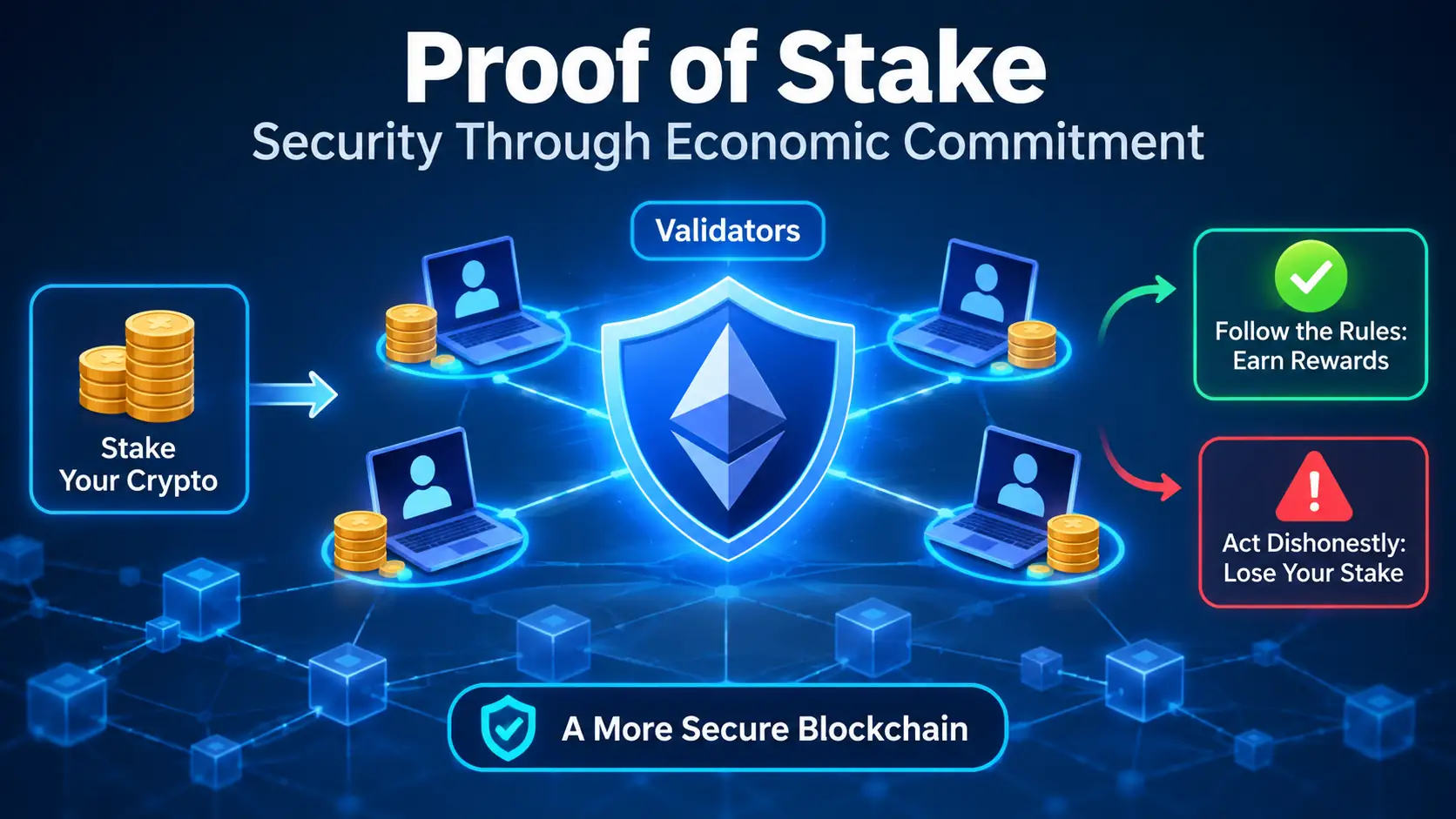
Every time someone sends Bitcoin, the network needs a way to agree that the transaction is valid and decide where it belongs in the blockchain. There is no central bank or company responsible for approving every payment. Instead, Bitcoin uses...

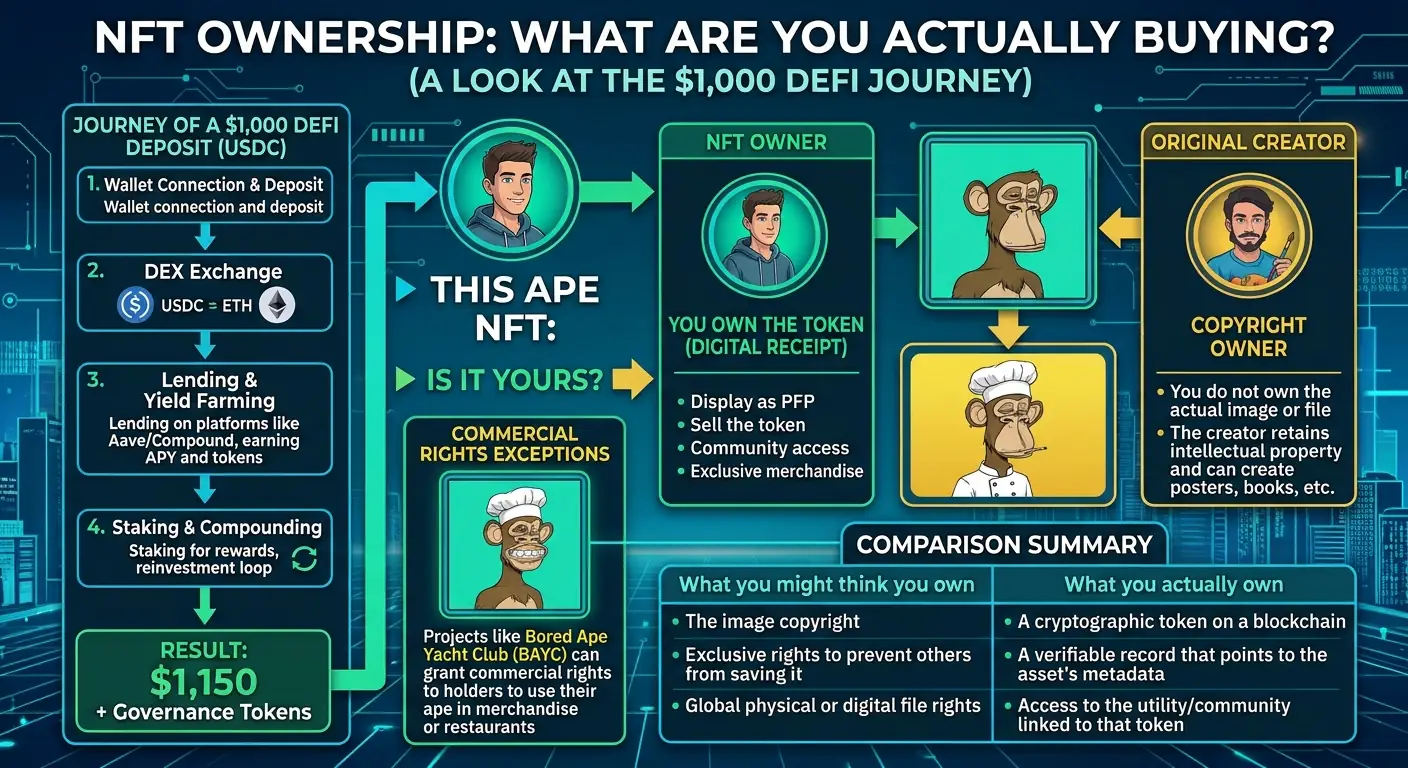
Imagine buying a digital artwork for $2,000. The transaction is recorded on a blockchain, your wallet receives a unique token, and the marketplace displays your name as its owner. You now own the NFT. But can you print the image,...

A cryptocurrency rises 20% in a few days. Investors who were previously cautious start talking about the next big opportunity. Social media fills with price predictions, screenshots of profits and claims that the rally has only just begun. Then the...

You can share your crypto wallet address with someone who wants to send you money. You can also publish it online, add it to a payment request or use it to receive funds from an exchange. Your private key is...

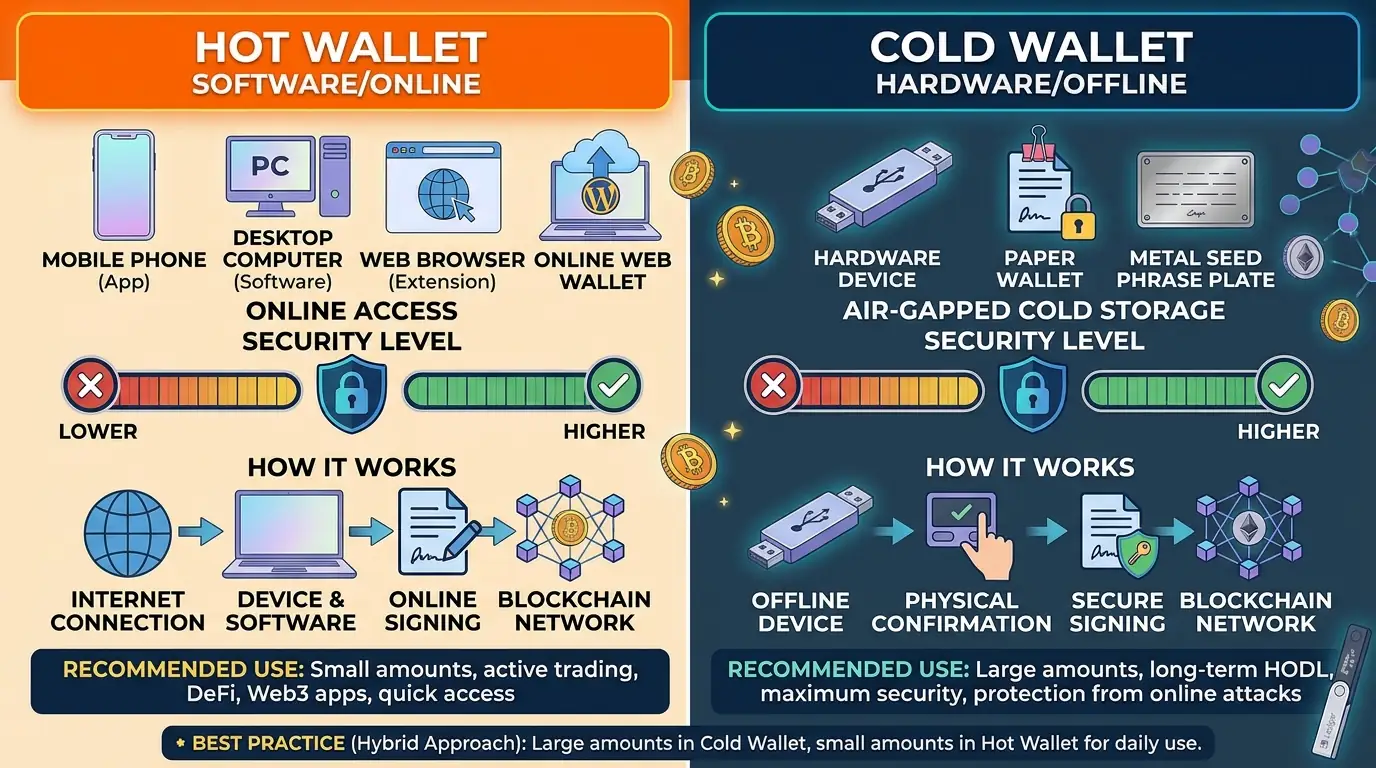
A crypto wallet can be perfectly convenient and still be a poor place to store your long-term savings. The opposite is also true: a highly secure storage setup may become frustrating if you need to approve transactions several times a...

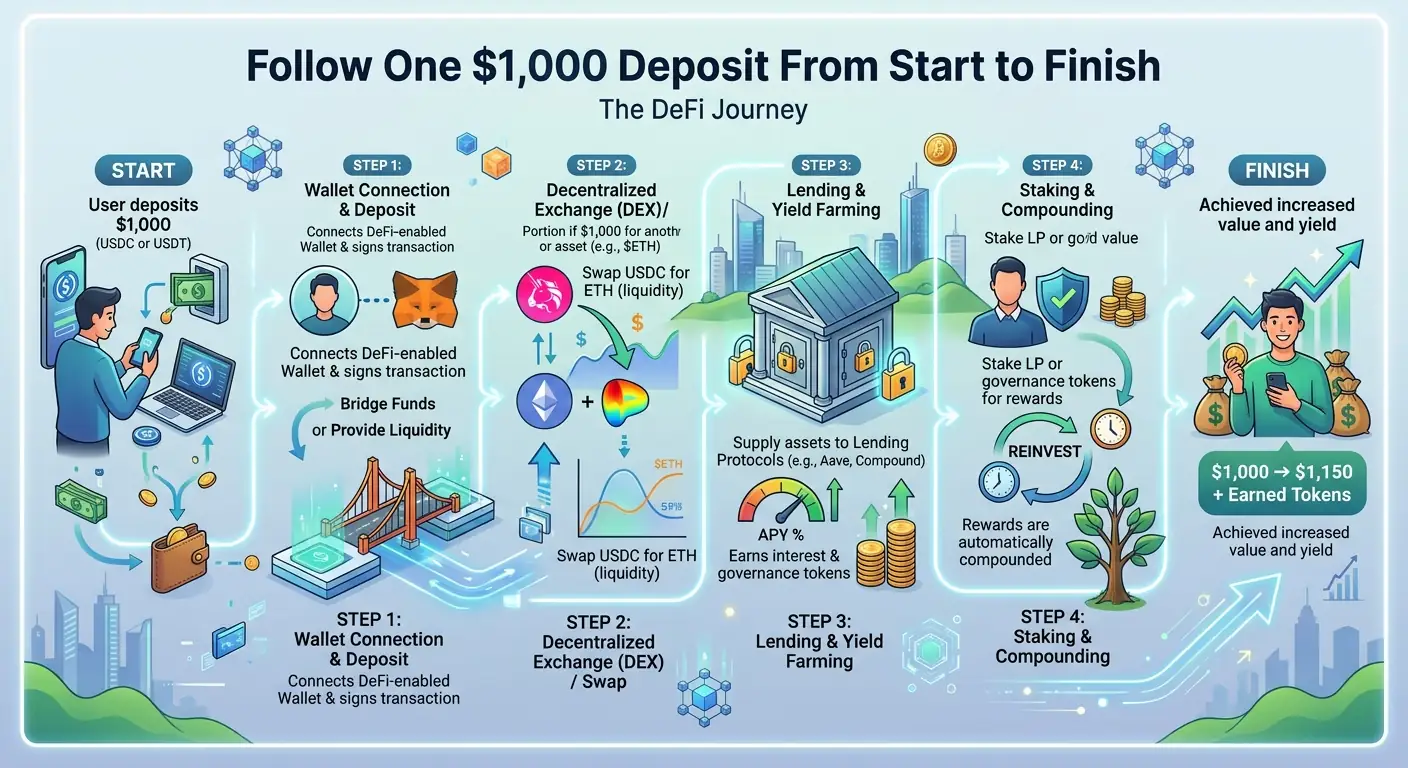
Imagine Alex has $1,000 in USDC sitting in a crypto wallet. He does not want to trade it or buy another cryptocurrency. Instead, he wants to understand whether he can put that money to work by lending it through a...
Cryptocurrencies and blockchain are changing how money moves, how assets are managed and how financial services operate. We explain the technology, the opportunities and the risks behind these changes.